


Benefits

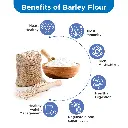
Aids in Digestion and Relieves Constipation
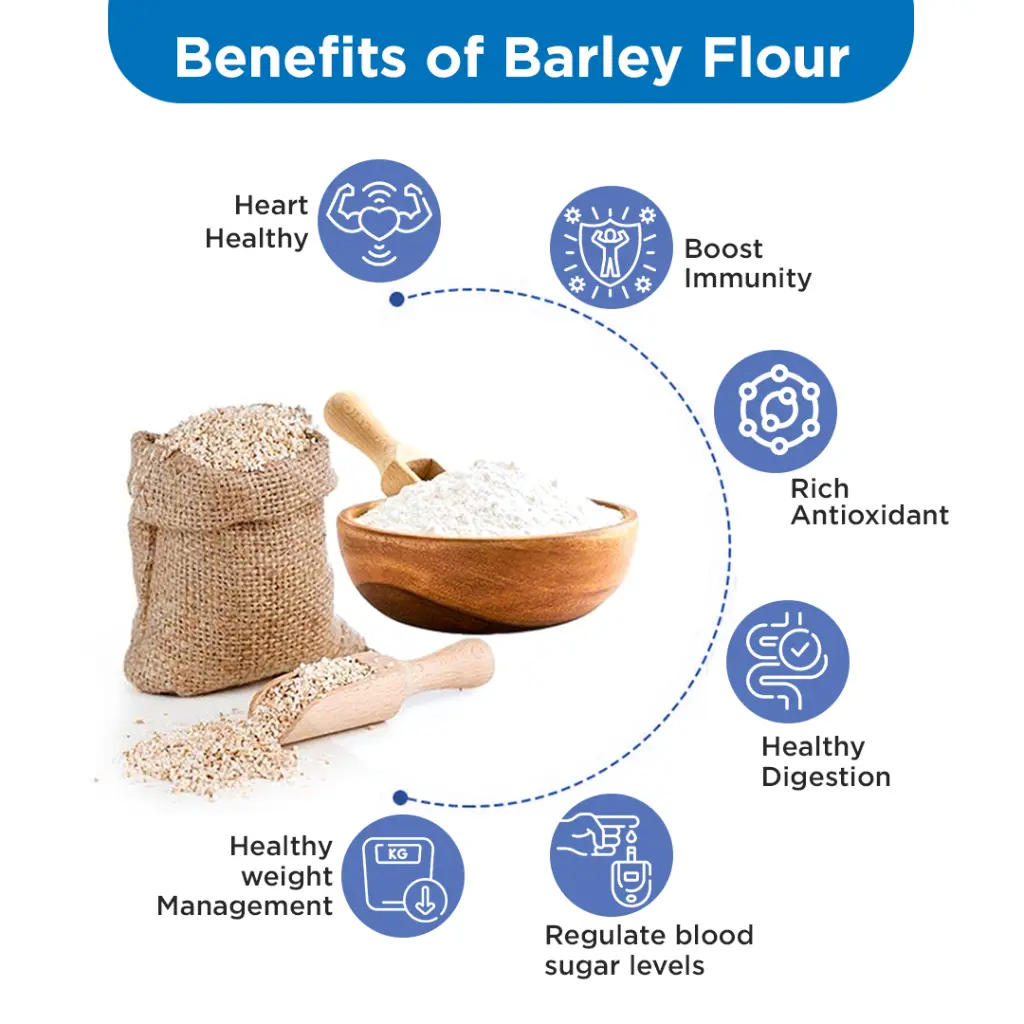
Sprouted Barley flour is exceptionally high in dietary fiber, particularly insoluble fiber, which adds bulk to stool and promotes regular bowel movements. Regular consumption can prevent constipation, reduce bloating, and support a healthy gut microbiome by encouraging the growth of beneficial bacteria.

Cools the Body and Prevents Heat Strokes
Barley has natural cooling properties that help regulate body temperature, making it an ideal choice during hot summer months. Consuming barley flour-based drinks or porridges hydrates the body, prevents excessive heat accumulation, and reduces the risk of heat-related ailments like dehydration and heat strokes.
Supports Heart Health by Lowering Cholesterol
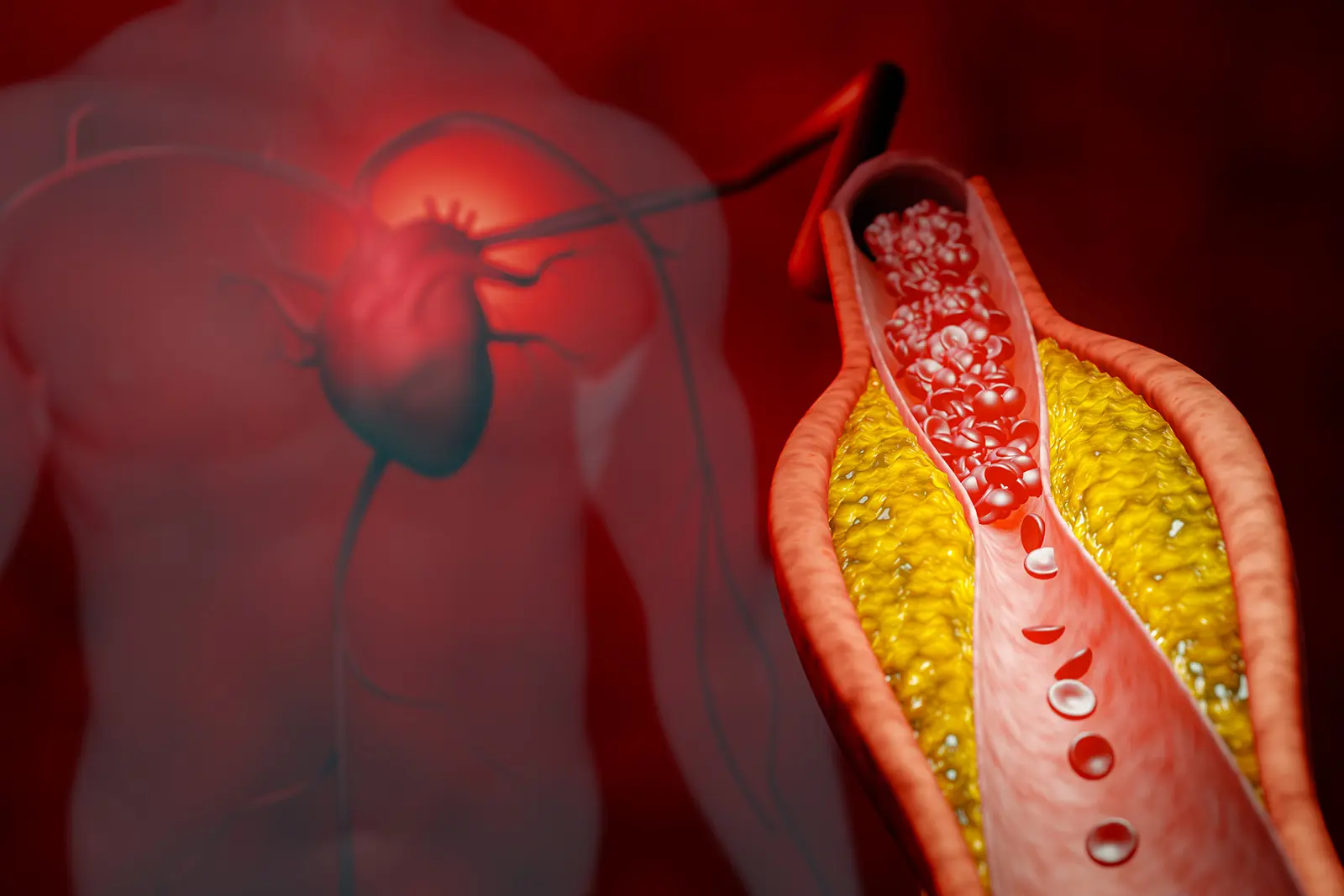
Rich in beta-glucan, a soluble fiber, barley flour helps lower LDL (bad) cholesterol by binding with bile acids and removing them from the body. Regular intake reduces the risk of cardiovascular diseases, stabilizes blood pressure, and improves overall heart function.

Supports
Diabetes Management
Barley flour has a low glycemic index and its high fiber content slows down the absorption of sugars into the bloodstream, preventing sudden spikes in blood sugar levels. This makes it an excellent choice for diabetics and those looking to maintain stable energy levels throughout the day.
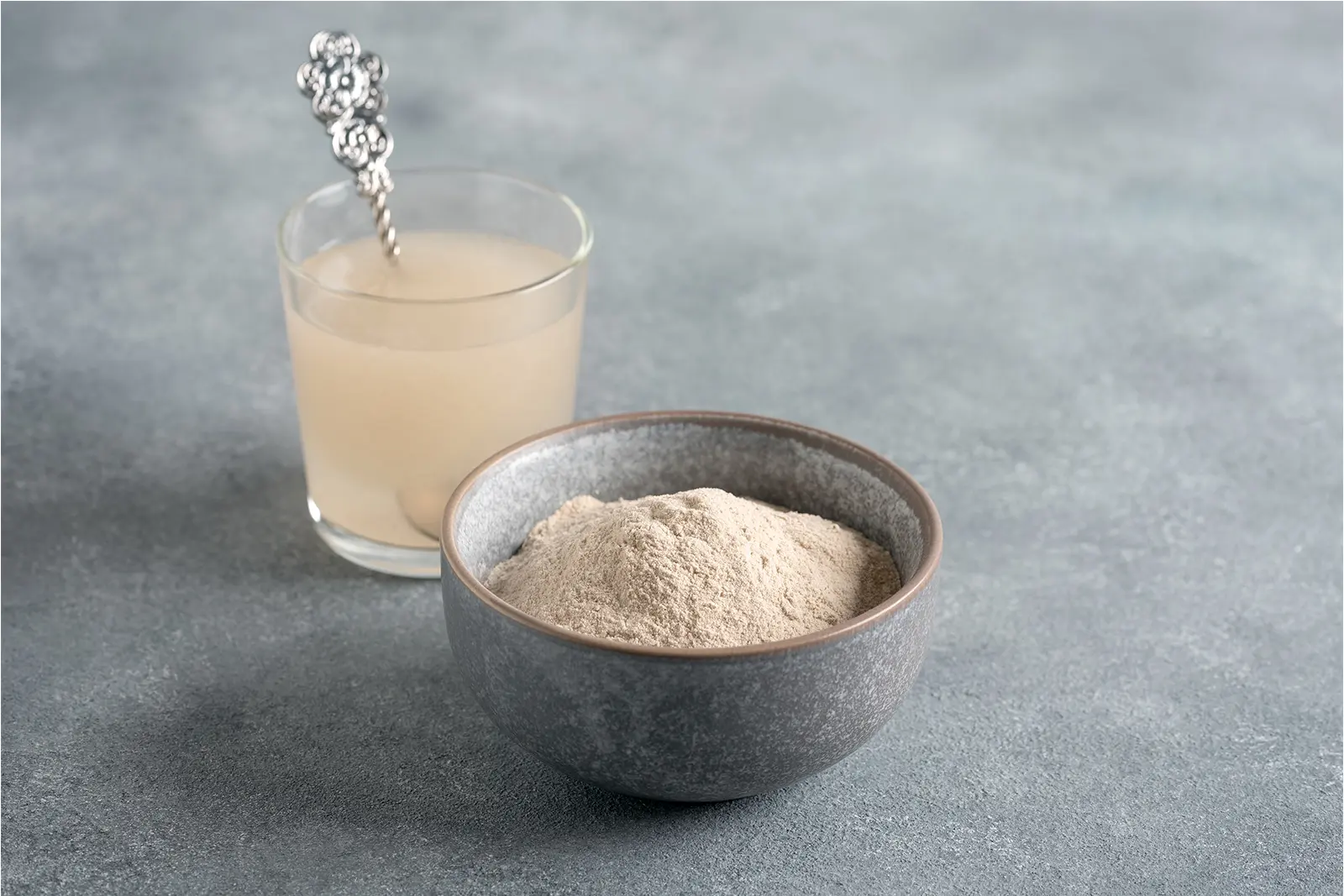
Boosts Immunity and Provides Essential Nutrients
Loaded with vitamins and minerals like iron,
magnesium, and B vitamins, barley flour enhances immune function and improves
overall vitality. Its antioxidant properties help combat oxidative stress,
reducing inflammation and supporting the body's natural defence mechanisms.

Promotes Weight Loss and Satiety
The high fiber content in barley flour keeps you full for longer by slowing digestion and curbing unnecessary cravings. This makes it an excellent ingredient for weight management, as it helps reduce overall calorie intake while providing essential nutrients.
FAQs
Yes! sprouted Barley flour can replace wheat flour partially (up to 50%) in most recipes like rotis, pancakes, and baked goods, but it lacks strong gluten, so it may not work well for yeast-based bread without mixing with other flours.
No, barley flour contains gluten, though in smaller amounts than wheat, making it unsuitable for individuals with gluten intolerance or celiac disease.
Barley has natural cooling properties that help regulate body temperature, making it ideal for summer drinks like barley flour porridge or buttermilk-based barley sattu to prevent heat exhaustion and dehydration.
Yes, sprouted barley flour can be used to make porridge or weaning food for babies, as it is easy to digest and provides essential nutrients, but it should be introduced gradually and cooked thoroughly.
Barley flour is rich in dietary fiber, which promotes regular bowel movements, prevents constipation, and supports gut health by encouraging beneficial gut bacteria.
Yes, barley flour works as an excellent thickening agent for soups, stews, and sauces while adding a mild nutty flavor and nutritional benefits.
Yes, its high fiber content slows down sugar absorption, helping regulate blood sugar levels, making it a great choice for people with diabetes when consumed in moderation.
Store barley flour in an airtight container in a cool, dry place, and for longer shelf life, refrigerate or freeze it to prevent rancidity and insect infestation.